 cohabit insuranceSmarter insurance for your strata building.

When Affordability Pressure Turns Into Insurance Pressure
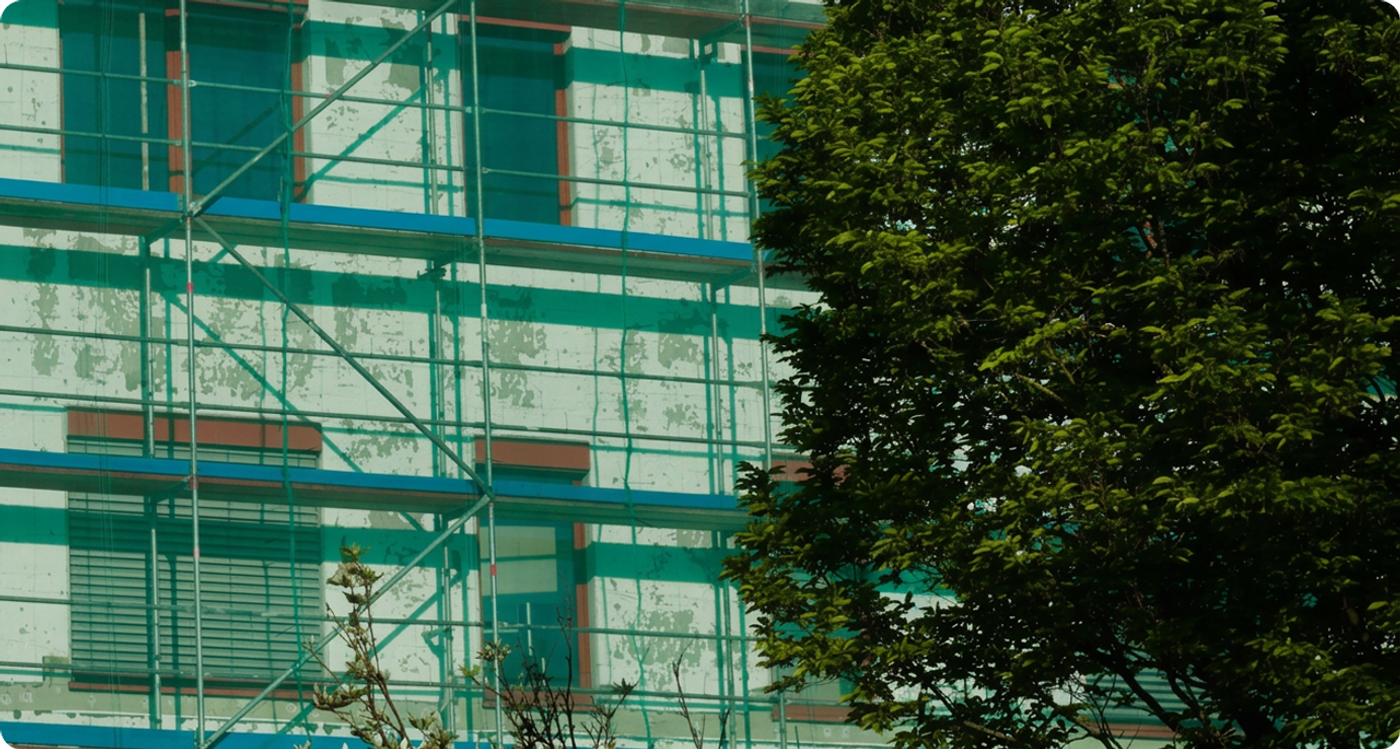
Holding levies down can feel like the responsible choice. But when essential work keeps getting deferred, the cost comes back as bigger repairs, special levies and a harder insurance renewal.
Levy increases are some of the most contentious items on any strata agenda. The debate is usually about affordability. Can owners absorb it, and is the committee being reasonable?
Fair questions. But affordability pressure doesn't stop at the levy notice. When it delays capital works and leaves reserves short, insurers start to see the building differently. It often shows up in the premium at the next renewal, sometimes before it shows up anywhere else.
Why levies are under pressure
Levies have risen sharply across Australia. Buildings are absorbing higher insurance costs, construction inflation and the fallout from underfunded capital works plans. Owners pushing back on further increases is understandable, and for many committees, deferring non-urgent work looks like the least disruptive option.
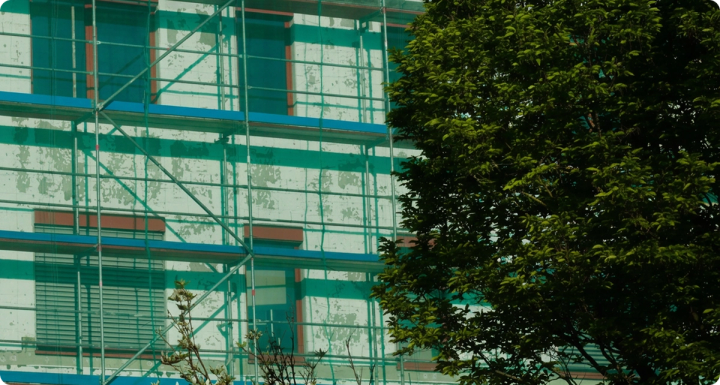
The problem is that the building's needs don't pause when spending does. Delayed work comes back as a larger repair, a special levy or a claim that could have been avoided. Frequent special levies usually mean long-term planning and funding have fallen behind what the building actually needs.
How deferred work affects insurance
Insurers look well beyond the address and construction type. Building age, maintenance standards, defect history, water ingress exposure, claims frequency and replacement cost all affect the terms.
Unresolved water ingress, facade issues or overdue safety upgrades make future losses harder to predict, and insurers price that uncertainty cautiously. That can mean a higher premium, tighter conditions, a larger excess or fewer insurers willing to quote.
A building with known issues isn't automatically shut out of reasonable terms. What matters is whether those issues are being managed. A documented defect with a credible, funded repair plan presents far better than the same defect sitting untouched for years. Well-maintained buildings with stable claims records may see flatter pricing or more competition at renewal.
That relief won't reach every building equally. A scheme with unresolved defects or an adverse claims history can still face conservative pricing even when the wider market softens. Its own risk profile decides the outcome.
What good planning tells an insurer
A current capital works plan does more than schedule spending. When it's properly funded and backed by evidence of completed work, it shows that the owners corporation understands the building and is acting before issues become claims.
The evidence matters. Meeting minutes, inspection reports, maintenance records, budgets and repair timelines help an insurer tell the difference between a building with a problem and a building letting a problem drift.
Committees should also give their broker enough time to present that story properly. Starting early means gaps get picked up, supporting documents get gathered and outstanding work gets explained before the submission goes to market.
The question to ask at budget time
Levy strategy, maintenance planning and insurance renewal are connected. Keeping levies low today can create pressure elsewhere if the building can't maintain itself or respond to known issues.
When a committee considers deferring a repair, don't only ask whether the building can afford the work now. Ask what the delay could cost later, and whether it will make the building harder to insure.
Is your building ready for renewal?
Better insurance outcomes start with better information. Take our free two-minute Renewal Readiness Check to see what’s ready, identify any gaps and get practical steps to help prepare your building for its next renewal.