 cohabit insuranceSmarter insurance for your strata building.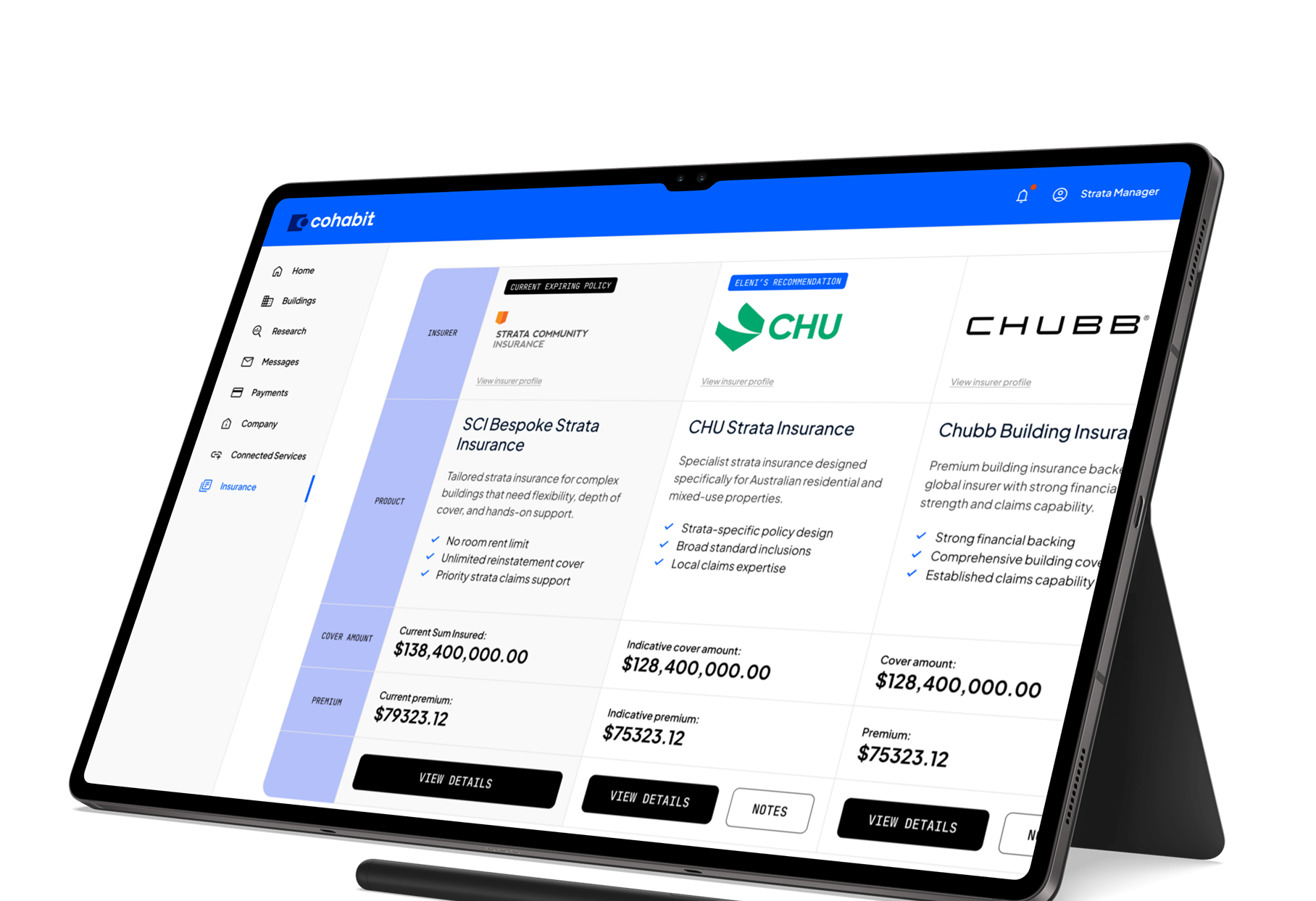
Understanding Special Levies
If you’ve ever received a special levy notice and felt your stomach drop, you’re not alone. For many apartment owners, a special levy feels like a punishment. Something went wrong, someone didn't do their job, and now you're paying for it.
Sometimes that’s true. But not always.
More often, a special levy is simply a building’s needs catching up with reality.
What a special levy actually is
Every strata scheme collects regular levies to fund day-to-day operations and build reserves for future maintenance through capital works (aka sinking) fund.
A special levy sits outside that normal cycle. It’s additional funding that’s required because the building needs money it doesn’t currently have. The owners corporation votes on it, and each owner usually contributes according to their unit entitlement.
What usually triggers them
Most special levies stem from a handful of common situations.
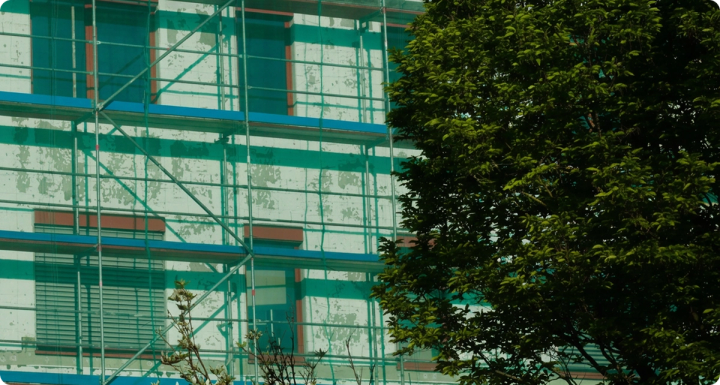
Major repairs are one of the most common. A failing roof. Waterproofing issues. Structural repairs. Lift replacements.
Defect rectification is another, and is increasingly common in newer buildings. Sometimes developers dispute responsibility. Sometimes warranty periods expire. Sometimes issues simply emerge later than expected.
Compliance projects can also create significant costs. Fire safety upgrades, accessibility requirements and asbestos remediation are examples.
Buildings don’t always fail on schedule. Regulatory requirements change, and older buildings sometimes face significant upgrade costs.
Sometimes the building simply needs money sooner than anticipated.
Why do some buildings see levies more than once
A special levy on its own doesn’t tell you very much.
The more revealing question is why it happened. Repeated levies can indicate an underfunded capital works fund, ongoing maintenance issues or a series of compounding problems.
But they can also reflect proactive governance. In some cases, a special levy is evidence that a committee decided to deal with a problem properly instead of continuing to patch it. Buildings don’t improve because issues are ignored. They improve because someone decided to address them.
Context matters. A building that raised funds to replace a lift is very different from one that’s been collecting levies to patch the same waterproofing issue for years.
Questions worth asking before you buy
If a building has raised one or more special levies, it’s worth understanding:
- What was the levy for?
- How much was raised?
- Has the work been completed?
- Are further works anticipated?
- Was the issue resolved or simply deferred again?
The answers don’t always sit in the levy notice itself. They’re usually spread across AGM minutes, committee records and the capital works plan.
A special levy in the past isn’t necessarily a red flag. An unexplained one, or a pattern of them, deserves closer attention.
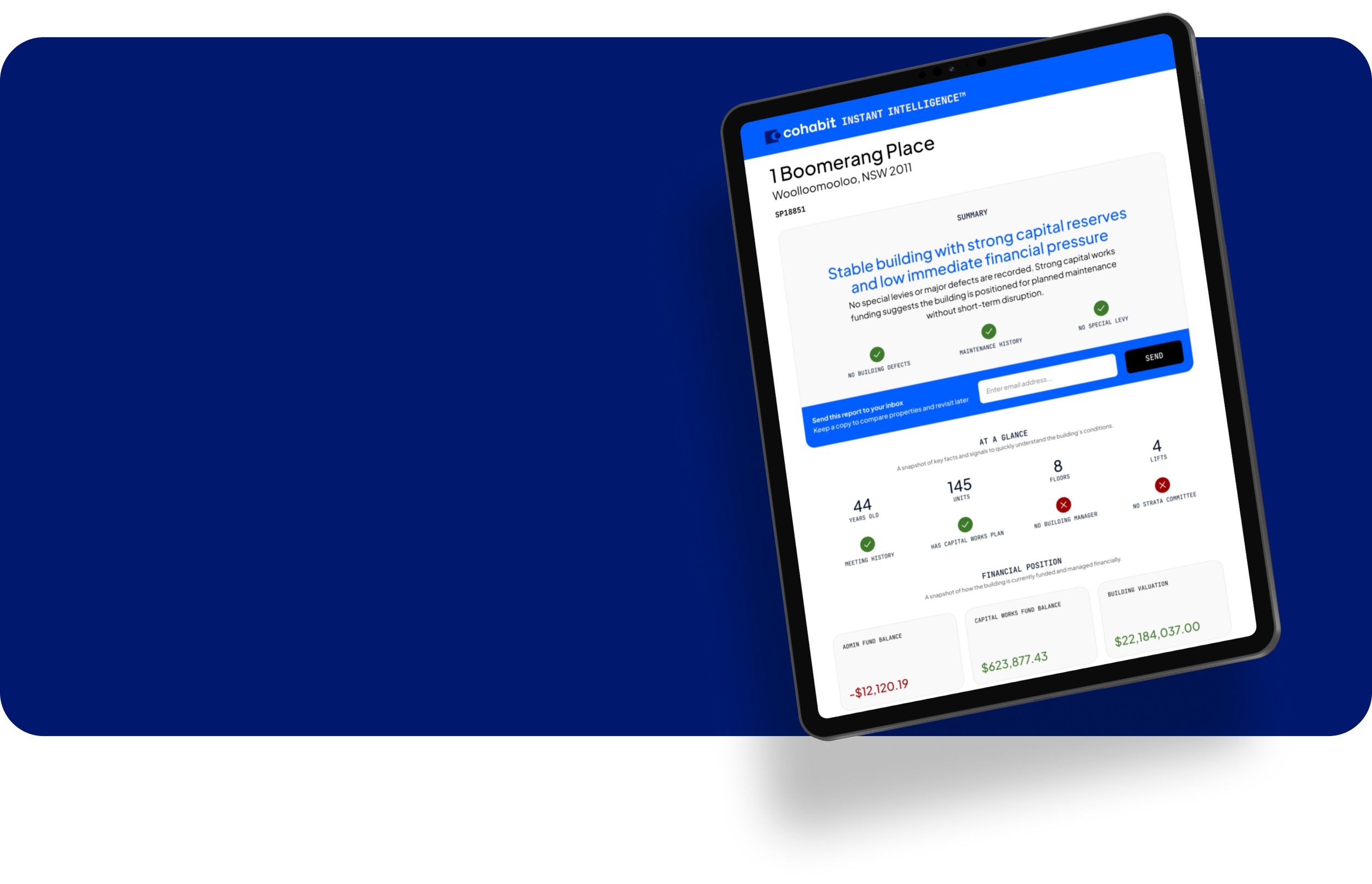
Cohabit pulls together the levy history, meeting minutes, and capital works information from the strata report so you can see the full picture — not just the number, but the reason behind it.
Get the full picture before you buy.
The apartment is only part of what you’re buying into. A Cohabit strata report independently reviews the building’s finances, levies, insurance, maintenance, defects and disputes, helping you understand the potential risks and costs before you commit.